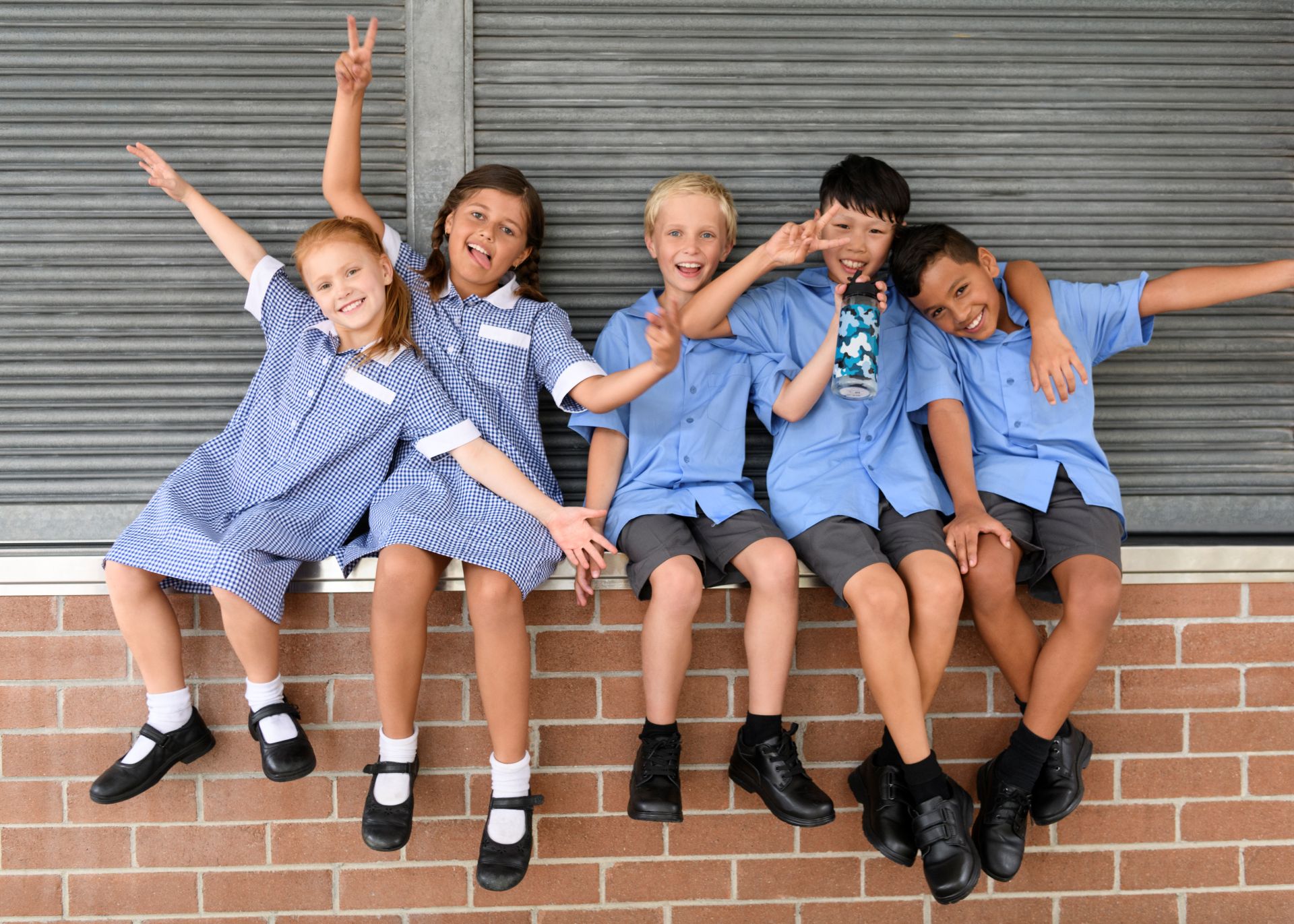
A new, culturally responsive program brings together evidence-informed practice and the strengths, values, and experiences of diverse communities to drive big conversations around violence, respectful relationships and healthy family models.
A whole-of-community, place-based model
Safer Pathways launched in 2024 and, over the next two years, we’ll work with a targeted group of primary schools to co-design and deliver a locally-tailored and culturally-appropriate program that meets the needs and goals of young people and families from culturally and linguistically diverse backgrounds.
We’ll involve children, caregivers, teachers and cultural leaders at every turn, ensuring our work reflects the community’s real needs and strengths.
Safer Pathways draws on leading frameworks - like Our Watch’s Change the Story, the Safe & Together model and trauma-informed, child-centred practice - to ensure every activity is evidence-informed.
From 2024-2026, Safer Pathways will be delivered through:
Educator development
Capacity building workshops for teachers and school wellbeing staff, aimed at building the school’s capacity to hold conversations about DFV and gendered drivers of violence with students and caregivers. Teachers will feel confident to embed primary prevention techniques into school culture and classroom activities, and all school staff will know more about community supports and referral pathways.
Caregiver workshops
Culturally-responsive workshops with parents and caregivers, with a goal of building awareness of the drivers of domestic and family violence, and confidence in talking to their children about respect, gender equality and relationships. This is a space for caregivers to safely explore their concerns and questions, learn more about building healthy family relationships, and connect with each other and with local support services.
Student sessions and leadership project
Co-designed classroom workshops introduce every student (up to 1,600 across our three schools) to concepts of gender roles, safety and respect. Students will develop a stronger understanding of healthy relationships and think critically about gender roles, stereotypes and violence-supportive attitudes. We’ll also support young people to build their confidence to identify safe spaces and trusted people should they ever feel unsafe. Our goal is to support young people to build their resilience and wellbeing, giving them tools to thrive in their relationships.
Further into the project, a group of student leaders will also work with our facilitators to design and build a primary prevention campaign, to be used to educate the wider community about what respect and safety means to them and raise the voices of children within their community.
“This workshop is my favourite part of the week — it’s my time. As I work on myself, my relationship with my boys is getting better.”
— Mother of a primary school student
Partnering for impact
Safer Pathways thrives on collaboration. In addition to working with school communities, we work alongside:
- Local Elders and cultural leaders, who lift up traditional strengths and encourage caregiver participation.
- Subject matter experts (legal, health, early-childhood), invited to caregiver events to build connections to support services.
- Local Councils and community groups, helping us amplify the lessons and impact of the program within the community.
We’re not just limiting ourselves to program activations, either! Our team popped up at the Armadale shopping centre to provide information and support to locals during 2025’s 16 Days of Activism, in collaboration with a local community services collective.
By weaving together these partnerships and meeting communities where they’re at, Safer Pathways will grow beyond classrooms into homes, playgrounds and community centres - creating a network of support that lasts long after our program ends.
Voices of change
“This workshop is my favourite part of the week—it’s my time. As I work on myself, my relationship with my boys is getting better.”
—Mother of a primary school student
“Our teachers now have the confidence to challenge outdated stereotypes in the classroom. We’re seeing real conversations about respect and power.”
—School Wellbeing Coordinator
These stories reflect the connection and empowerment our participants have felt in our first phase workshops.
- 100% of caregivers reported more confidence in talking about healthy relationships, and 80% told us they knew more about how to recognise unhealthy relationships.
- 80% of educators reported an increased understanding of the impacts of domestic and family violence and trauma on children’s development and behaviours.
The ripple effect
Through working closely with community, and centring our work on children’s rights and voices, we can create meaningful change for children and young people in many areas of their lives.
- When we empower educators … classroom cultures shift from silence or conflict to courageous, respectful dialogue.
- When we build caregiver confidence… families can become confident guides, and learn new ways to model healthy relationships at home.
- When students are given power… children learn to question harmful norms, seek safe spaces and speak up when things aren’t right.
- When communities work together… we can sustain momentum, inspiring peers, leaders and neighbours to join the conversation.
The ripple effect of Safer Pathways stretches far beyond our workshops, or even the schools in which we’re working. Together, the educators, families and children and young people have gained new skills, capabilities and confidence that can change lives.
Listen now